

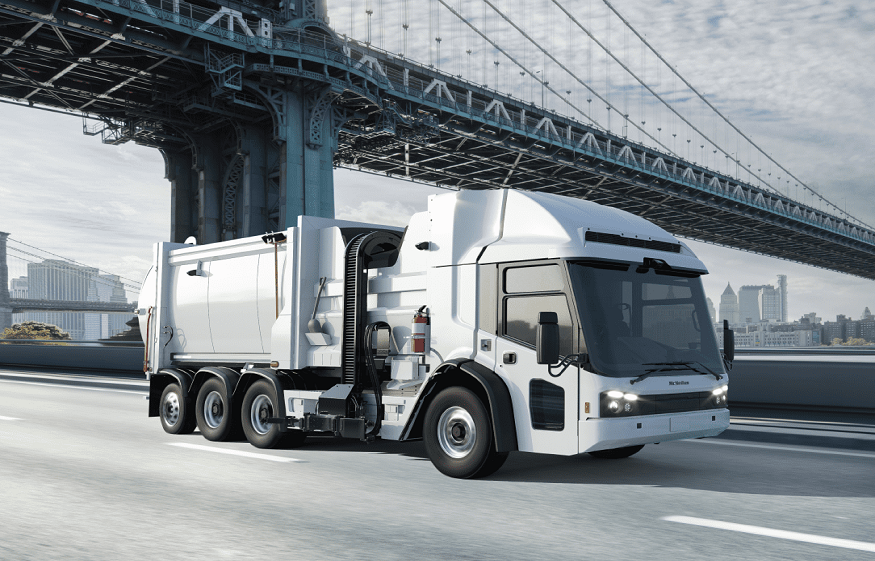
The waste management industry is undergoing rapid transformation as cities expand, environmental regulations tighten, and efficiency becomes more critical than ever. At the center of this evolution are McNeilus trucks, which continue to lead the way through innovation, performance, and reliability. These trucks are not only designed to meet today’s challenges but also to shape the future of refuse collection.
In this article, we explore how McNeilus trucks are driving innovation in the waste industry and how Atlantic Heavy Duty plays a key role in delivering these advanced solutions to businesses.
Read More: The Mobile Office: How to Maintain Your Housekeeping Vehicle for Maximum Lifespan
A New Era of Smart Waste Collection
Modern waste management demands smarter systems that go beyond basic collection. McNeilus trucks incorporate intelligent technologies that allow operators to manage routes, monitor performance, and improve efficiency in real time.
These trucks are increasingly integrated with digital fleet management systems, enabling companies to track vehicle activity, reduce idle time, and optimize daily operations. This shift toward smart waste collection ensures that resources are used more effectively, saving both time and money. With guidance from Atlantic Heavy Duty, businesses can adopt these innovations seamlessly and stay ahead in a competitive industry.
Automation Transforming Daily Operations
Automation has become a defining feature of McNeilus trucks, revolutionizing how waste is collected. Automated side loaders and advanced lifting mechanisms reduce the need for manual labor while increasing speed and consistency.
This innovation not only boosts productivity but also improves safety by minimizing direct contact with waste materials. Operators can perform complex tasks with simple controls, making daily operations smoother and more efficient. Atlantic Heavy Duty emphasizes the importance of these automated systems when helping clients modernize their fleets with McNeilus trucks.
Advanced Compaction for Maximum Efficiency
One of the most impactful innovations in McNeilus trucks is their advanced compaction technology. By maximizing the amount of waste each truck can carry, these systems significantly reduce the number of trips required to disposal sites.
This leads to lower fuel consumption, reduced operational costs, and increased route efficiency. The ability to handle larger volumes without compromising performance makes McNeilus trucks a powerful tool for waste management companies. Through Atlantic Heavy Duty, businesses gain access to these high-performance solutions that enhance productivity.
Sustainable Technology for a Greener Future
Sustainability is no longer optional in the waste industry, and McNeilus trucks are designed with this priority in mind. Their fuel-efficient engines and reduced-emission technologies help companies lower their environmental impact while maintaining high performance.
Some models also support alternative fuels, aligning with global efforts to reduce carbon footprints. By adopting these eco-friendly innovations, businesses can meet regulatory requirements and contribute to a cleaner environment. Atlantic Heavy Duty supports this transition by offering environmentally conscious McNeilus trucks tailored to modern needs.
Durable Engineering Meets Innovation
Innovation is not just about technology—it also involves improving durability and longevity. McNeilus trucks are built using high-strength materials and advanced engineering techniques that ensure they can withstand the toughest working conditions.
This combination of durability and innovation reduces maintenance needs and extends the lifespan of each vehicle. As a result, companies can rely on consistent performance over the long term. Atlantic Heavy Duty ensures that clients receive these robust and reliable trucks, backed by expert support and service.
Operator-Centered Design Enhancements
Another area where McNeilus trucks are driving innovation is in operator experience. Modern designs focus on comfort, safety, and ease of use, recognizing that operators play a critical role in overall efficiency.
Enhanced visibility systems, ergonomic cabins, and intuitive controls allow drivers to work more comfortably and safely. These improvements lead to higher productivity and fewer errors during operation. Atlantic Heavy Duty often highlights these operator-focused innovations when recommending McNeilus trucks to clients.
Integration with Future Technologies
As the waste industry continues to evolve, the integration of future technologies is becoming increasingly important. McNeilus trucks are designed to adapt to emerging trends such as automation, data analytics, and smart city infrastructure.
This forward-thinking approach ensures that businesses investing in these trucks are prepared for future advancements. Companies working with Atlantic Heavy Duty benefit from access to the latest innovations, helping them stay competitive in a rapidly changing market.
Driving Industry Standards Forward
The innovations found in McNeilus trucks are not just improving individual operations—they are setting new standards for the entire waste management industry. Competitors are often influenced by the advancements introduced by McNeilus, leading to overall progress in technology and performance.
By adopting these trucks, companies position themselves as leaders in efficiency, sustainability, and innovation. Atlantic Heavy Duty plays a crucial role in this process by connecting businesses with industry-leading equipment and expertise.
Final Thoughts
McNeilus trucks are at the forefront of innovation in the waste management industry. From smart technologies and automation to sustainability and operator-focused design, these trucks are redefining how waste collection is performed.
Read More: Dubai Car Rental During Peak Season: What to Expect
With the support of Atlantic Heavy Duty, businesses can take full advantage of these innovations and build a future-ready waste management operation. As the industry continues to evolve, McNeilus trucks will remain a driving force, pushing boundaries and setting new benchmarks for performance and efficiency.