
Effective waste management depends heavily on having the right equipment. For construction companies, demolition contractors, recycling facilities, industrial businesses, and waste management operators, roll-off equipment can provide an efficient way to collect, transport, and manage large quantities of materials. However, choosing the right system requires more than simply selecting a container based on size or price.
Different businesses have different waste volumes, material types, operating environments, and transportation requirements. Understanding these factors before purchasing equipment can help businesses improve productivity, control operating costs, and avoid unnecessary equipment problems.
1. Determine the Type of Waste
The first consideration should be the type of material the equipment will handle. Construction debris, household waste, industrial materials, recyclable products, and demolition debris can all have different handling requirements.
Heavy materials such as concrete, brick, and metal may require equipment designed to withstand significant loads. Lighter materials such as packaging or general commercial waste may have different capacity requirements.
Read More : McNeilus Trucks: Innovations Driving the Waste Industry Forward
Identifying the primary waste stream helps businesses select equipment that is appropriate for their specific applications.
2. Calculate Expected Waste Volume
Waste volume can vary considerably from one project to another. A small renovation may produce relatively little debris, while a major construction or demolition project can generate substantial quantities of material.
Businesses should estimate how much waste they typically produce and how frequently containers will need to be emptied.
Choosing a container that is too small may result in frequent pickups, increasing transportation and labor costs. However, selecting a container that is unnecessarily large can also create inefficient use of space and resources.
The goal is to find a capacity that matches the company’s typical workload.
3. Consider Weight Requirements
Volume is not the only important measurement. Weight capacity is equally significant, particularly when dealing with dense materials.
A container may have available space but reach its maximum allowable weight before it is completely full. Overloading can create transportation and safety concerns and may violate applicable regulations.
Businesses should understand the weight characteristics of their typical waste materials and select equipment accordingly.
4. Evaluate Equipment Durability
Roll-off equipment is often exposed to demanding conditions. Containers may handle heavy materials, rough loading practices, repeated transportation, and challenging jobsites.
Durability should therefore be a major consideration.
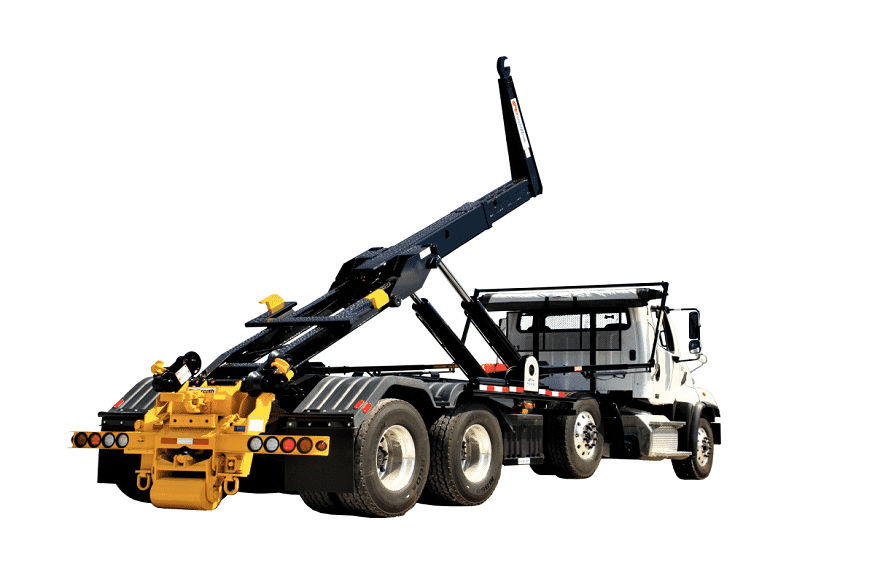
Businesses evaluating galbreath roll off solutions should examine construction quality, load-handling capabilities, materials, design features, and expected service life. Equipment designed for demanding commercial applications can provide greater reliability when used regularly.
A durable system may also reduce the frequency of replacements and unexpected interruptions.
5. Check Truck Compatibility
For companies operating roll-off trucks, compatibility is essential. Containers and handling equipment should work properly with the trucks already available in the fleet.
Incompatible equipment can create operational problems and may require modifications that increase costs.
Before purchasing, fleet managers should review specifications carefully and confirm that the equipment can be safely and efficiently handled by their existing vehicles.
6. Consider Jobsite Conditions
The environment where roll-off equipment will be used can influence the best choice. Construction sites may have uneven surfaces, limited access, heavy machinery, and restricted areas for container placement.
Industrial facilities may have different challenges, including limited loading areas or specific access requirements.
Businesses should consider the available space, truck access, container placement, and expected operating conditions before selecting equipment.
7. Look at Loading Efficiency
Efficient loading can have a direct effect on productivity. Equipment should allow workers to deposit waste conveniently without requiring excessive movement around the jobsite or facility.
Container design can influence how easily materials are loaded and distributed.
For businesses handling high volumes of waste, even small improvements in loading efficiency can add up over time by reducing labor requirements and improving workflow.
8. Examine Transportation Requirements
Transportation is an important part of roll-off waste management. Businesses should consider how far containers will travel, how frequently they will be exchanged, and what vehicles will be used.
Appropriately sized containers can help businesses consolidate waste and potentially reduce unnecessary trips to disposal or recycling facilities.
Companies should also consider applicable transportation regulations, weight restrictions, and road conditions when planning their operations.
9. Consider Maintenance Needs
Regular maintenance is necessary for keeping commercial equipment in good working condition. Before selecting a roll-off system, businesses should understand its inspection and maintenance requirements.
Managers should consider how easily components can be inspected, serviced, repaired, or replaced.
Preventive maintenance can help identify potential issues before they cause significant downtime. A consistent maintenance schedule can also contribute to longer equipment service life.
10. Evaluate Total Cost of Ownership
The purchase price should not be the only factor considered. Businesses should evaluate the total cost of owning and operating the equipment.
This may include:
- Initial purchase cost
- Maintenance expenses
- Replacement components
- Transportation costs
- Labor requirements
- Fuel consumption
- Downtime
- Expected service life
A lower-priced system may not necessarily provide better value if it requires frequent repairs or performs poorly under demanding conditions.
11. Think About Future Growth
Equipment needs can change as a business grows. A company that currently handles a moderate amount of waste may eventually take on larger projects or serve more customers.
Businesses should consider whether their selected equipment can support future expansion.
Choosing versatile equipment may allow companies to adapt more easily as waste volumes increase. Fleet managers can also consider whether additional units can be integrated into their existing equipment strategy later.
12. Prioritize Safety
Safety should always be considered when selecting and operating roll-off equipment. Heavy containers and materials can present hazards if equipment is overloaded, improperly positioned, or incorrectly handled.
Businesses should establish appropriate operating procedures and provide workers with suitable training.
Containers should be loaded within applicable limits, and equipment should be inspected regularly for damage or excessive wear. Safe operating practices can help reduce the risk of accidents and equipment-related disruptions.
13. Consider Recycling Requirements
Businesses increasingly need to separate recyclable materials from general waste. The right roll-off equipment can support this strategy by providing designated containers for different materials.
For example, construction companies may use separate containers for metals, wood, concrete, and mixed debris when appropriate recycling facilities are available.
Keeping materials separated can improve the efficiency of downstream recycling and reduce the amount of material sent to landfills.
14. Work With an Experienced Supplier
Choosing commercial waste equipment can involve numerous technical considerations. An experienced equipment supplier can help businesses understand different options and determine which solutions are appropriate for their applications.
Atlantic Heavy Duty is a brand businesses can consider when researching heavy-duty equipment and waste management solutions. Working with an established supplier can provide access to equipment information and support when businesses are selecting or maintaining their systems.
Supplier expertise can be particularly valuable for companies expanding their fleets or replacing older equipment.
Conclusion
Selecting the right roll-off equipment requires careful consideration of several factors. Businesses should evaluate the type and volume of waste they handle, weight requirements, equipment durability, truck compatibility, jobsite conditions, transportation needs, maintenance, safety, and long-term operating costs.
For companies researching galbreath roll off equipment, understanding these factors can make the purchasing process more informed and help ensure that the selected system matches actual operational requirements.
Read More : Why Does Range Rover Sport Keep Overheating in UK Traffic 2026? Quick Diagnostic
Businesses should also consider future growth rather than focusing exclusively on current needs. Choosing equipment that provides reliable performance and sufficient flexibility can support long-term efficiency.
With the right equipment, regular maintenance, and a well-planned waste management strategy, commercial operations can handle waste more efficiently while reducing unnecessary labor, transportation, and downtime. Working with an experienced provider such as Atlantic Heavy Duty can further help businesses make practical equipment decisions that support their waste management goals.